It’s nearly impossible to remember a world before Artificial Intelligence (believe me, I’ve been trying). Every day, it consumes the headlines, our personal conversations, our work lives, and the seemingly endless stream of advertisements featuring ‘cutting-edge’ advancements. However, general confidence in this technology, which seems to be the singular focus of every major investment opportunity, appears to be cracking. Still, the Broligarchs at the heads of the monolithic tech companies behind the obsessive drive to develop AI continue to stand behind the promises that they have made concerning the ‘new paradigm’ we are about to enter as a species. The question is - can we trust them?
It was enjoyable to poke fun at tech bros when they were simply earning absurd money by allowing you to connect with long-lost relatives on a novel website called ‘Facebook,’ or helping to shape unicorn startups at Y Combinator. Today, it feels like they have a palpable grip on society, imbued with the power to bend information, transform economies, and eviscerate their enemies on a whim. Rare is the day when it is not Sam Altman, Elon Musk, or Dario Amodei carrying on serious conversations with journalists, world leaders, and technology enthusiasts about the redefining nature of Artificial Intelligence. Often, they espouse ‘pie-in-the-sky’ ideas about the utopia that they assure us is being ushered in by superintelligence.
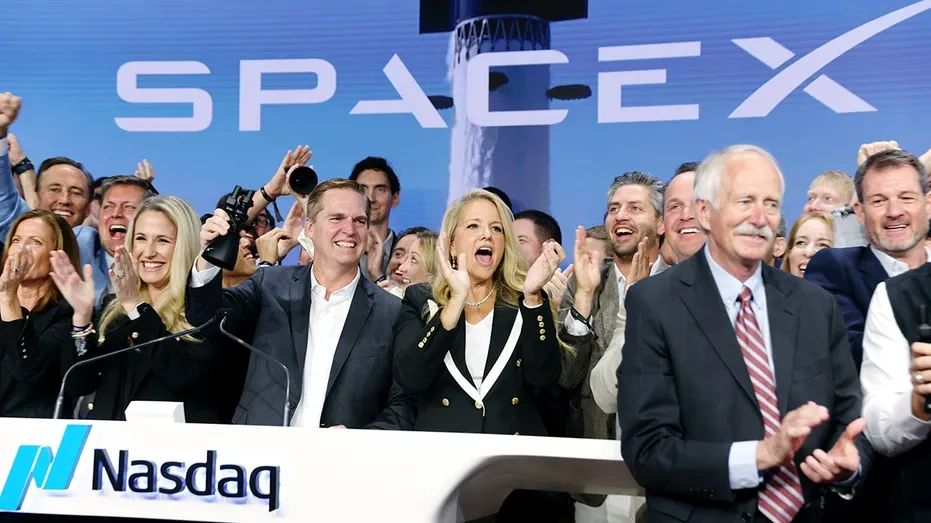
Musk has repeatedly claimed that not only will work be ‘optional’ in a post-AI future, but, by the meaningful advancement in economies of scale as a result of AI paired with robotics, we will have ‘Universal High Income.’ Of course, we should take his claims with a grain of salt - he did say that we would be landing humans on Mars by 2029, and yet SpaceX has recently refocused on landing on the moon next year instead. Altman, one of the greatest salesmen in the history of Silicon Valley, has floated the idea that AI could cure cancer in the future. In an essay entitled ‘Machines of Loving Grace,’ Amodei waxes poetic about the potential of AI to radically transform the economy, and even help humans fight climate change. Naturally, these promises sound great on paper, and have certainly been enough to convince hordes of investors to part with theirs - the forecast for global spending on AI is slated to approach $2.7 trillion in 2026, up almost 50% from the year before. Still, this feels like a massive bet that is being made on behalf of humanity by a small group of people who don’t have the best track record for telling the truth.
In my mind, the outcome of achieving artificial general intelligence (AGI) is a ‘heads I win, tails you lose’ situation for ordinary people. If this technology does live up to the glorious standards set by those at the center of the Tech Industry, then it would seem that virtually all human work (first white-collar, and eventually even manual labor) will inevitably be replaced, leading to mass unemployment, as well as a lingering lack of purpose for billions of humans suddenly left without meaningful vocation or means to support themselves and their families. Conversely, if the bet does not pay off, then we have essentially placed the entire world economy on the line at a time when mass protests have erupted across the world as people struggle to afford the basics to survive. It seems that there can only be one group of winners who take all, regardless of the outcome - the people with the billions to spare, who can weather the storm and rely on the government to bail them out. And, if all else fails, they still have their secret bunkers.
The possibility of an AI bubble is no longer simple conjecture. China, arguably the greatest competitor to the United States in the AI Arms Race, has recently seen a 40% drop in the STAR50 index, comprised predominantly of AI technology stocks and semiconductors, signaling that speculative collapse may soon come to the United States. Domestically, there has been a series of bad omens for tech giants. Microsoft announced plans for a buyout of up to 60,000 jobs to pour money into more AI-related projects. Meta disclosed a record $97.5 billion equity offering to put towards infrastructure. Google, the dark horse in the AI race, had a very disappointing earnings-per-share miss this week, causing the stock to drop more than 7%. The tech giants that once seemed invulnerable appear to be showing cracks.
It’s not just the big players to worry about, either. Companies operating in the neocloud infrastructure space are likewise causing concern. Take, for instance, CoreWeave, one of the leading providers of AI compute power, which saw a massive correction in its stock after a recent earnings call revealed the extent of the company’s debt obligations, which reached $51.6 billion, and are largely tied to junk-bond-level interest rates as high as 16%. Interest payments alone cost the company an astounding $640 million last quarter, even as consumer-side AI applications, like the ones being peddled by OpenAI, Anthropic, and xAI, are widely unprofitable. Thus, the AI industry has entered a new race to see what will run out first - time to achieve profitability, or the investor confidence funding their efforts. If either is to be impeded in a significant way, the bubble will pop, and the entire global economy will enter free fall.
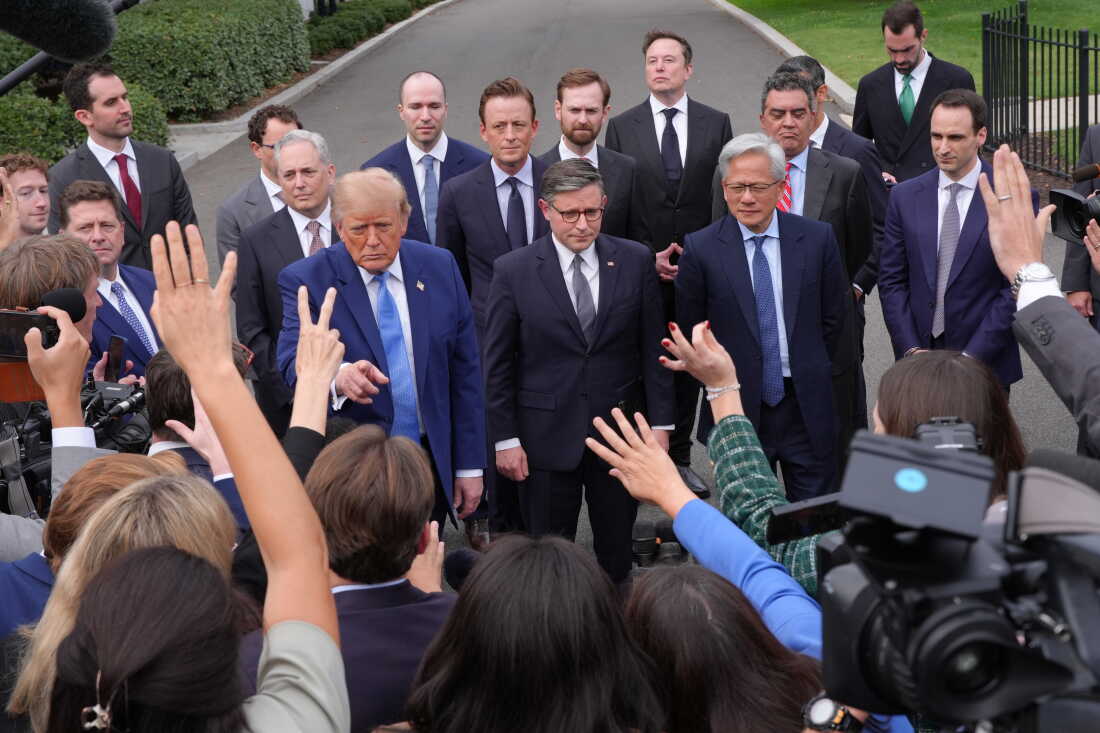
Still, as average people, it feels like we have little choice in the decisions being made. Even after Anthropic head Amodei pleaded with the world at large to slow down development in the interest of protecting humanity from unprecedented threats posed by this nascent technology, the outcome was a laughable decision brokered by Trump to allow the tech giants to ‘self-police.’ All that stands in the way of humanity and Armageddon now, it seems, is a pinky promise.
The resurgence of credit-default swaps against hyperscalers, the same insurance vehicle used in the lead-up to the Great Financial Crisis in 2008, is doing nothing to settle investors’ nerves, either. It feels as though we are simply too deep into the muddy water. We’ve bet too much on an outcome that, at best, felt far-fetched from the start. After decades of concentrating wealth and power at the top, the Broligarchs have usurped society’s ability to make collective decisions on our path to the future. If it goes as well as OpenAI’s recent live demo at DevDay, we may be, as the younger generation likes to say, ‘absolutely cooked.’