As we have gone deeper into the race for AI dominance in the world, one question has lingered in my mind - what happens once AI becomes so advanced that the world no longer needs humans to keep it running?
I’ll admit that, in many ways, the question evokes a sense of dread. Many people have been warning humanity of what is to come, and technology often evolves far quicker than we anticipate. In fact, this very scenario was imagined in Vonnegut’s Player Piano, which was certainly ahead of its time for its 1952 release date. In this cautionary tale, Vonnegut attempts to convey an image of a society that has long capitulated to technology, and the disastrous outcomes for humans left in its wake.
Moreover, the adoption of art produced by AI has seen a sharp increase, exemplified by the controversy that has been ignited after it was revealed that Vogue magazine included an AI-generated model in their August issue. If a user can simply input a prompt to generate a synthetic human to be used in an advertisement, or create a movie produced in the style of Scorsese without his contribution, what do we, as humans, have left to contribute?
So, how far along are we on this roadmap to AI dominance, and what do we need to be considering along the way? Let’s take a look.
A Cautionary Tale
Long before personal computers or driverless cars, Kurt Vonnegut foresaw the malignancy of the implementation of technology without regard for its future implications. He painted a world in which the vast majority of humans were no longer employed, and the lack of pride in work and general dissatisfaction with life that this change precipitated. Since then, we have seen technology expand well beyond what contemporaries of Vonnegut could have imagined - a world connected by a vast array of networks, and a population heavily reliant on all forms of technology, from Apple Watches to ChatGPT.
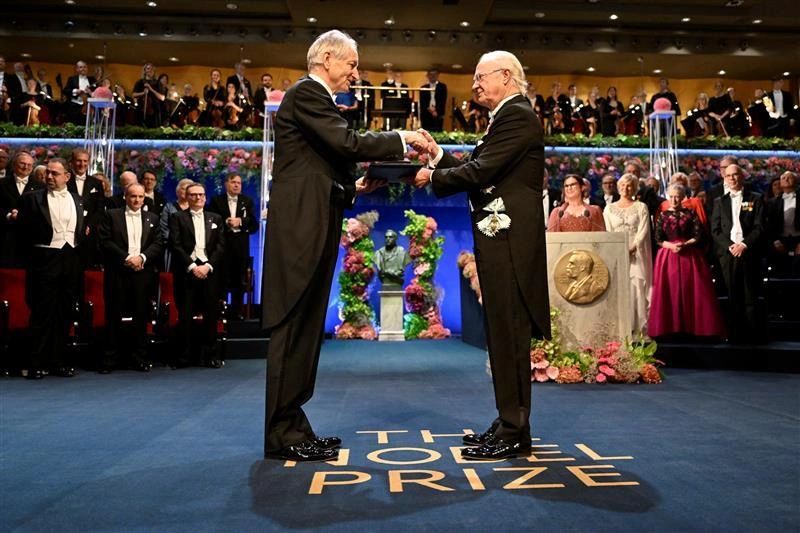
It appears that Vonnegut was not alone in his concern for humanity. Just months ago, Geoffrey Hinton became the latest recipient of the Nobel Prize in Physics, and used the platform to issue a stern warning to the public - without proper guardrails, there is a 10% to 20% chance that AI wipes out humans.
Despite these sentiments from Hinton, the so-called ‘Godfather of AI,’ companies have spent record sums of money bolstering their research and development efforts in artificial intelligence, with Meta recently luring top talent away from OpenAI with eye-watering signing bonuses worth up to $100 million per year. Beyond that, Big Tech has begun throwing dollars at the AI equation to the tune of $364 billion this year alone, signaling for many that a bubble is, indeed, in the making.
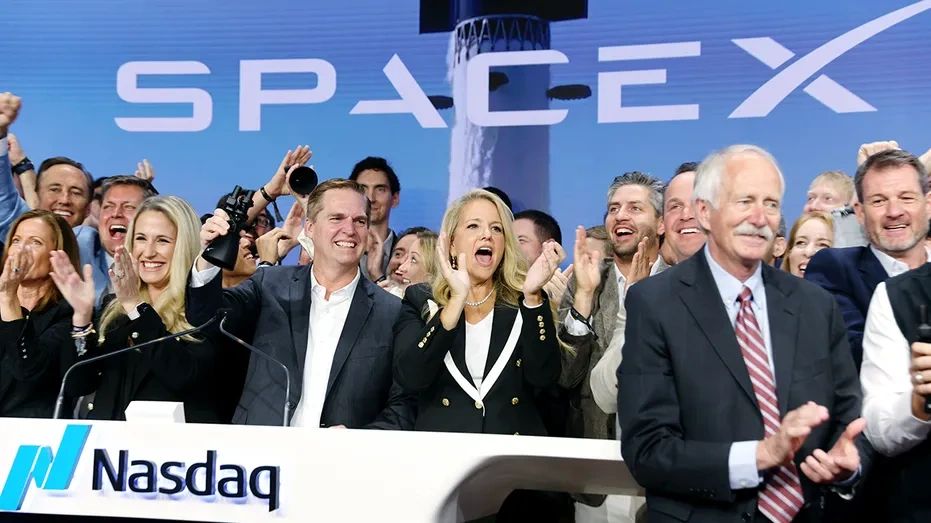
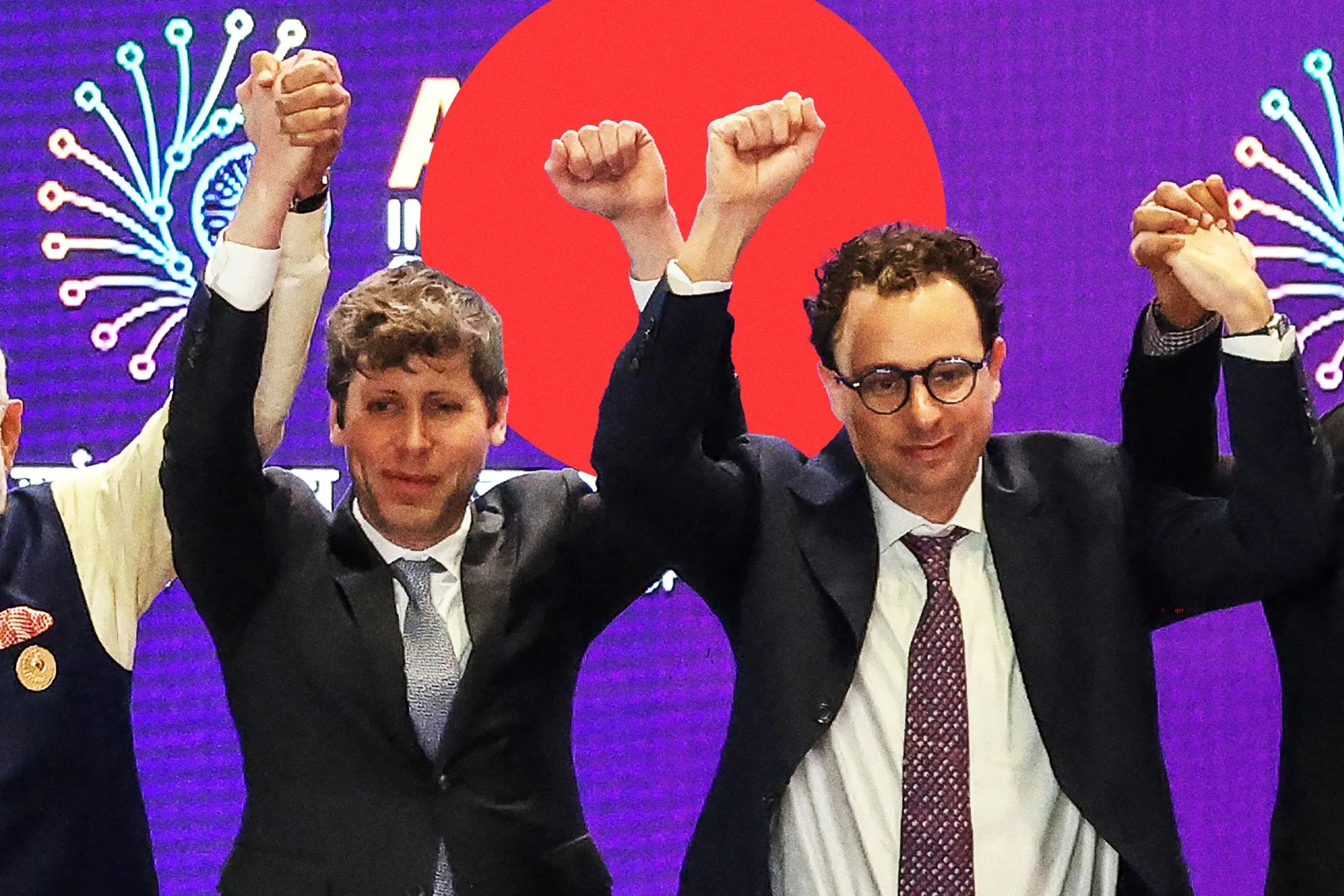
These fears are well-founded - two companies at the heart of the AI battle, chipmaker Nvidia (NVDA) and software stalwart Microsoft (MSFT), currently account for nearly 20% of the entire market capitalization of the Nasdaq. Even a man at the very center of the discourse on the development of these technologies, Sam Altman of OpenAI, has recently stated that investors in the space are ‘overexcited about AI’. With Wall Street darling Palantir (PLTR), another major player in the AI game, hovering near a 600 price-to-earnings ratio, the question of how long this streak can last is on the minds of many investors.
Beyond the horizons of Silicon Valley, competition on the world stage continues to grow. In a recent interview, Altman warned that China’s AI capabilities are severely underestimated, and the release of DeepSeek earlier this year proved that the world’s second leading economy isn’t as far behind as some may have thought.
It appears that greed has, once again, eclipsed the warnings issued by concerned scientists and thought leaders, who say that we are approaching a time in which humans will lose control of AI entirely. Even in the face of such stark messages, the Trump administration has moved to relax regulations on AI in hopes of speeding up development efforts.
Now, we must answer the question - will humanity’s proclivity to ignore the warning signs lead to its demise at the hands of the very technology it built?
Your Brain on AI
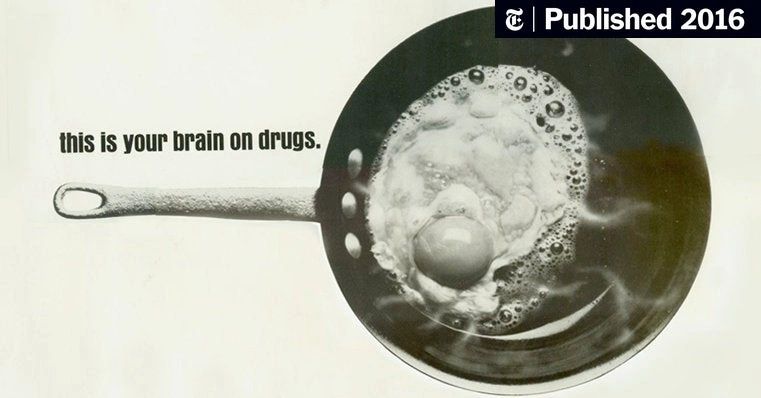
Beyond the perils of allowing AI to run wild, we also must consider how the integration of this new technology into our daily lives is affecting us, the purported ‘beneficiaries.’ Much as drugs alter our brain chemistry, researchers have already found startling evidence that artificial intelligence is detrimental to our health, as well.
A new study from scientists at MIT shows that relying on technology like OpenAI’s ChatGPT to write essays and do other daily tasks diminishes brain activity and memory. This study doesn’t come without cause for concern, either - a recent poll from Gallup shows that AI use at work has nearly doubled in the past 2 years, and 83% of companies identify AI as a top priority in business planning. As the defining line between human intelligence and artificial intelligence becomes ever-more narrow, we must be honest with ourselves about the cost of this advancement in technology.
Of course, there are real-world use cases for artificial intelligence that demonstrably benefit humanity in meaningful ways. There’s a new AI tool that is revolutionizing the diagnosis and treatment of skin cancer. Experts believe that AI will add $15 trillion to the world economy by 2030. Climate scientists and the World Economic Forum see the potential for AI to help develop sustainable solutions in the war on climate change. All of this is good news as the world grapples with the enormity of the tasks ahead.
Personally, I see tremendous opportunity for humans to utilize their artificial counterparts to augment their own abilities in accomplishing tasks, gathering information, and performing critical analysis. Yet, as a writer and creative, I feel the weight of the risks that unconditional trust in these technologies holds, and I have not forgotten Vonnegut’s prophetic warning to his fellow human beings - “Those who live by electronics, die by electronics.”
The Indomitable Human Spirit

At its best, artificial intelligence attempts to replicate human nature. It relies on data built on the back of human creativity, pragmatism, innovation, and everything in between. At present, it has become increasingly evident that the current iteration of this technology is successful in this attempt, as demonstrated by an AI-generated band on Spotify that racked up over a million streams within weeks. Still, I believe that the essential quality of being human cannot be distilled into code.
Sure, there are AI chatbots, like ChatGPT, that are perfectly capable of pouring out replicas of my poems in my unique voice and style. However, does that inherently mean that they contain the same emotion, or even the same circumstances that led to their creation? Ultimately, the art must be derived from the artist, from the being who bled their emotions into a distillate to be enjoyed by others. Although it may be capable of cracking ‘uncrackable’ codes or solving questions that have baffled us for the length of our existence, AI will never be able to define the ‘human experience’ with parameters and variables. Alas, it is already difficult enough for us to understand our own brains, and why we do certain things.
I see the dangers of AI, and still choose to bet that we, as a collective species, will inevitably make the right choice. Although there are certain tasks that can be automated with AI, or jobs that will be lost to the rise of this technology, we must never forget what truly makes us human.
We are imperfect beings capable of growth, love, and empathy. These are things that transcend the logic and models behind artificial intelligence. This is why, in my mind, it is more important than ever to preserve the essence of the human spirit - writing, music, art, and all of the other meaningful pursuits of life that separate us from all other beings. We must not lose our ability to create and accomplish great feats simply because an easier option is available.
Does AI make us less human? The answer lies within our own sense of accountability - AI can only make us less human if we allow it to do so.