It is common knowledge for any of my readers that I have had misgivings about the American economy for quite some time now. However, neither I, nor most experts, could have anticipated just how quickly the United States economy would deteriorate in the face of disastrous policy implemented by the Trump administration. Of course, systemic issues in the financial system have long been in development, as I discuss in my article here.
Regardless of your bias as a bull or a bear, one point that can be conceded by both sides is that the United States is at a crossroads - not only from an economic standpoint, but fundamentally. It has often been considered a given that America’s financial prowess was ‘second to none,’ but recent events call this claim into question at a time of unprecedented development by key adversaries (namely China), as well as weakened alliances with critical trading partners, like Canada, the EU, and others.
An Existential Issue
Although my disdain for the Trump administration may appear all-encompassing and remarkably explicit (which it is), I admit that not all of the blame can rest firmly on the shoulders of the incompetent, dementia-ridden conman, fraudster, and rapist steadily steering the United States toward sure financial ruin. It is an unfortunate-yet-unyielding truth that capitalism breeds greed, abuse, and a vicious zero-sum game that virtually guarantees the subversion of blame and consequences from those in power onto ordinary citizens.
Similar to the economic despair endured by Americans in the wake of the collapse in 2008, followed closely by COVID, all signs point to the fact that even basic needs, such as housing, healthcare, and employment, are out of reach for a majority of the nation’s shrinking middle class, and especially the more-vulnerable citizens. For a closer look at the reality for average Americans, read my article, ‘The Truth About the US Economy,’ here.
However, the current state of affairs differs in a devastating way - the days of hope that jobs will return and relief for Americans drowning in a sea of debt is coming have all but come to an end, and the lopsided distribution of wealth, in parallel with advancements in AI and Robotics and the potential for a Dot-Com style bubble, pose a grave threat to hardworking citizens. A demonstrated proclivity to ‘kick the can’ on critical issues, like cost of living, inflation, sovereign debt, and more, by those at the helm of the financial system has resulted in a slew of bandaids applied haphazardly over what have clearly become severe cracks and stress on the broader economy.
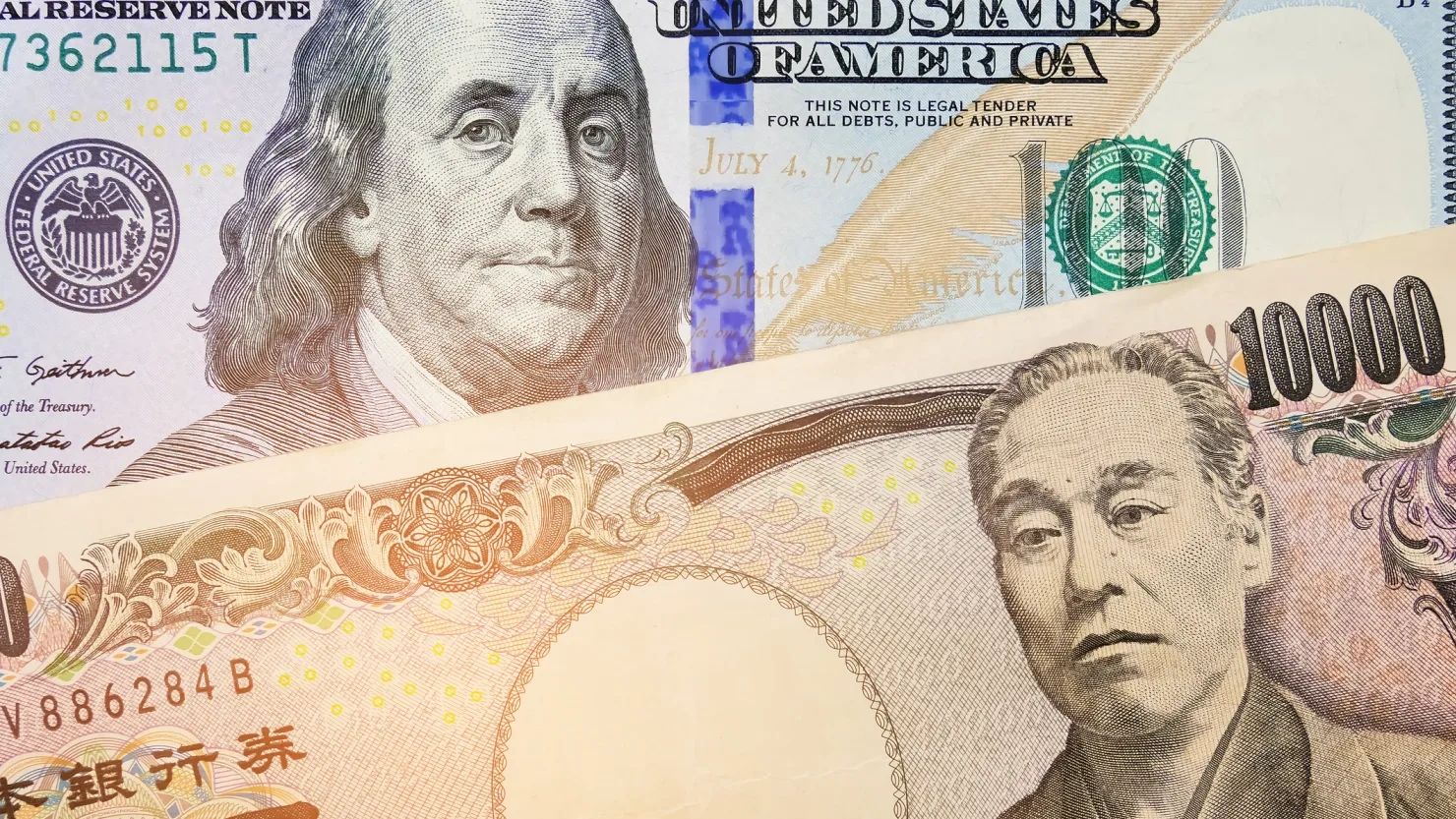
In 2025 alone, it is estimated that the United States has lost in excess of 1 million jobs. The justifications are many - quantitative tightening, replacement by AI, and the unrepentant greed of corporations ceaselessly protecting profits over employees. In such a short time, the labor market declined from average job creation in excess of 400,000 positions per month during the first 3 years of Biden’s tenure to consecutive quarters of significant and accelerating job loss under Trump’s regime. Moreover, concerns are growing that the Trump administration’s aggressive stance on manipulating numbers and reports, as evidenced by the firing of the head of the Bureau of Labor Statistics, are concealing an even darker reality. Throw in the worries surrounding potential interest-rate hikes by Japan and the resultant unraveling of the notorious ‘Carry Trade,’ and you have the makings of a disaster.
All eyes are trained on Jerome Powell, the current Fed policymaker who finds himself the daily object of Trump’s ire, and now faces the tremendous responsibility of determining the course for fiscal policy moving forward - do we continue to battle inflation by holding rates steady, or stimulate the economy with lower interest rates and liquidity injections to prevent further destruction of the labor market? Even the members of the Fed, who often form a consensus, are split on the decision. Markets, however, have entered the territory of irrationality, showing Extreme Fear at a time when the equities markets are consistently reaching all-time highs. As the great economist Keynes once said, the markets can stay irrational longer than you can remain solvent, and that certainly seems to be the case for most investors betting on the implosion of the financial system.
This is all of little comfort for average Americans, who are increasingly struggling to meet their most-basic obligations, like car loans, monthly grocery bills, student debt, and others. Rather than adjust to this reality and initiate relief, corporate America has taken advantage of the situation by increasing credit limits and borrowing opportunities, even offering on-the-spot financing for small purchases, like Chipotle burritos. When consumers willingly accumulate additional debt for necessary expenditure, they are often stuck paying off endless interest, sometimes at rates reaching above 35% APR. You don’t have to have a background in economics to understand the implications and dangers of this behavior, and any average person who has accrued debt recognizes the stress induced by monthly interest obligations.
Amidst the cacophony of global wars, ongoing political turmoil in the United States, and continued inaction around providing relief to average Americans, the near future looks bleak at best, and cataclysmic at worst.
A Shared Destiny
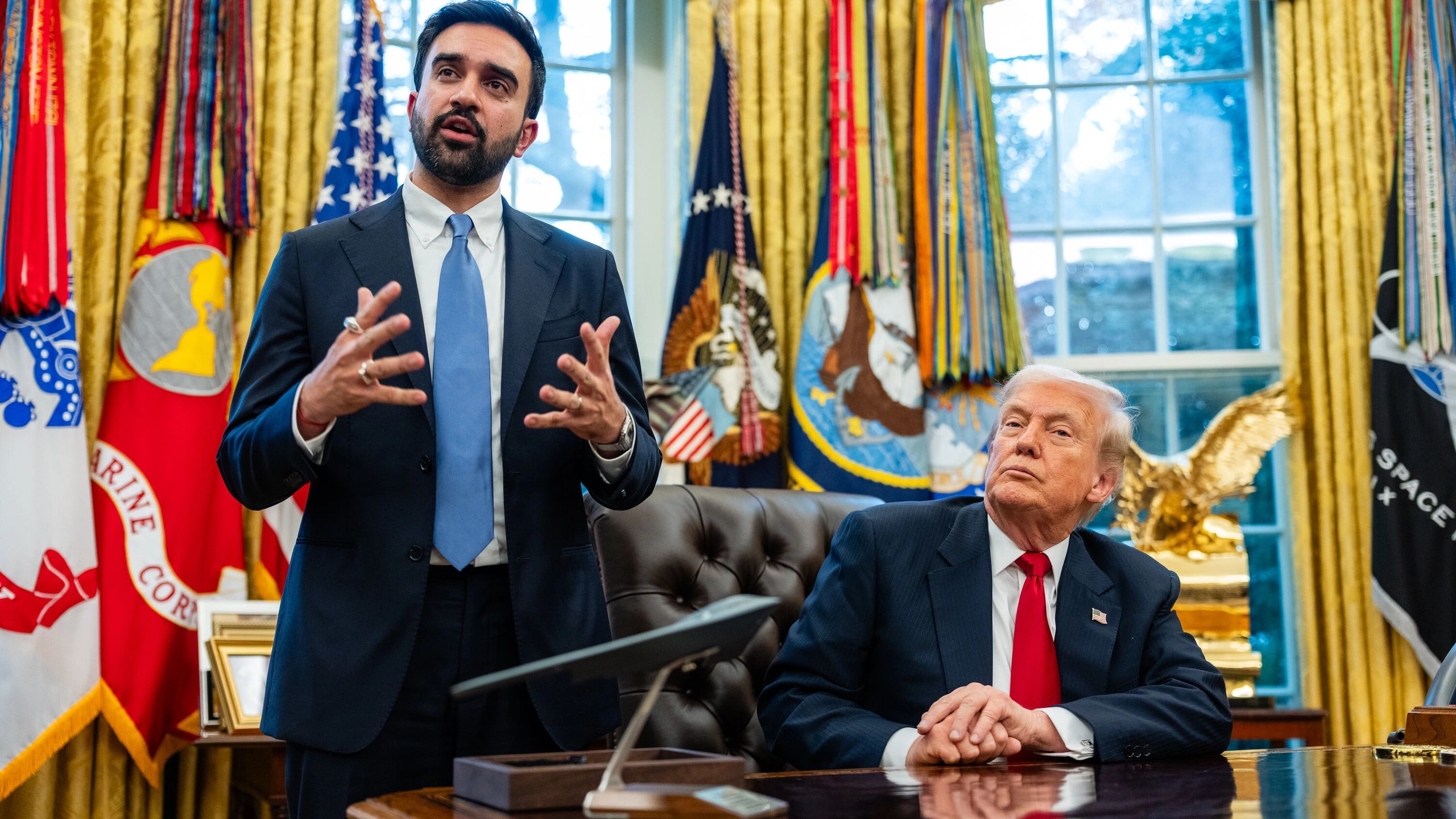
Massive victories for Democrats in recent elections, including those by incoming NYC Mayor Zohran Mamdani and a stunning series of victories over Republicans in special elections, stand as a clear rebuke of Trump’s policies by Americans on both sides. Beyond a faltering economy, the social fabric of the United States is being stretched to its limits by clear Human Rights violations on illegal detainment and deportation of immigrants, a weaponized judicial system and compromised law-enforcement agencies, the mishandling of the Epstein case, and even extensive calls for the prosecution of Pete Hegseth for war crimes, coalescing into the most-dire series of threats faced by the United States in modern history.
I will state it unequivocally - without significant reform in terms of corporate greed and taxes on the wealthiest class of individuals in history, relief for the average consumer, and the implementation of revolutionary changes to the existing system, this tragic American story will continue to play out. Profits keep churning for the richest as the remainder watch their purchasing power, civil rights, and future opportunities evaporate.
This is a crossroads, and now, more than ever, the path chosen by the United States will shape our shared destiny for decades to come.