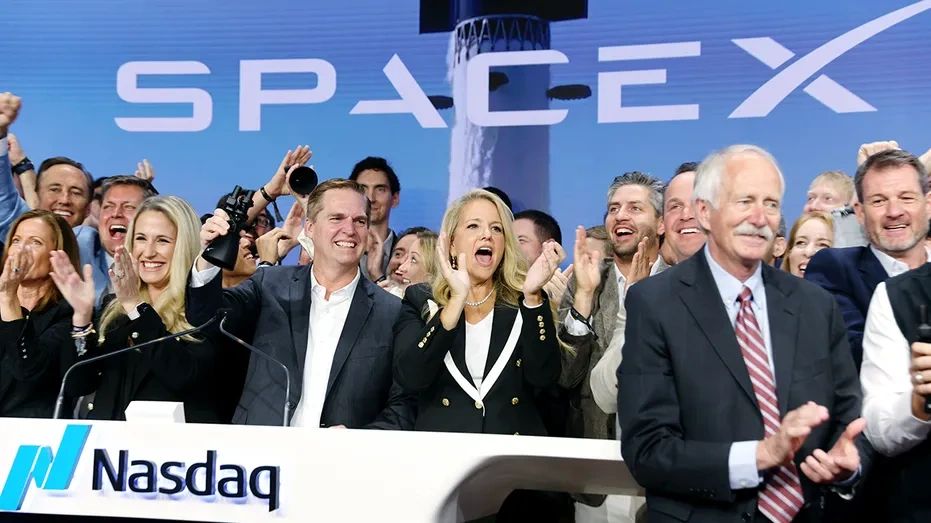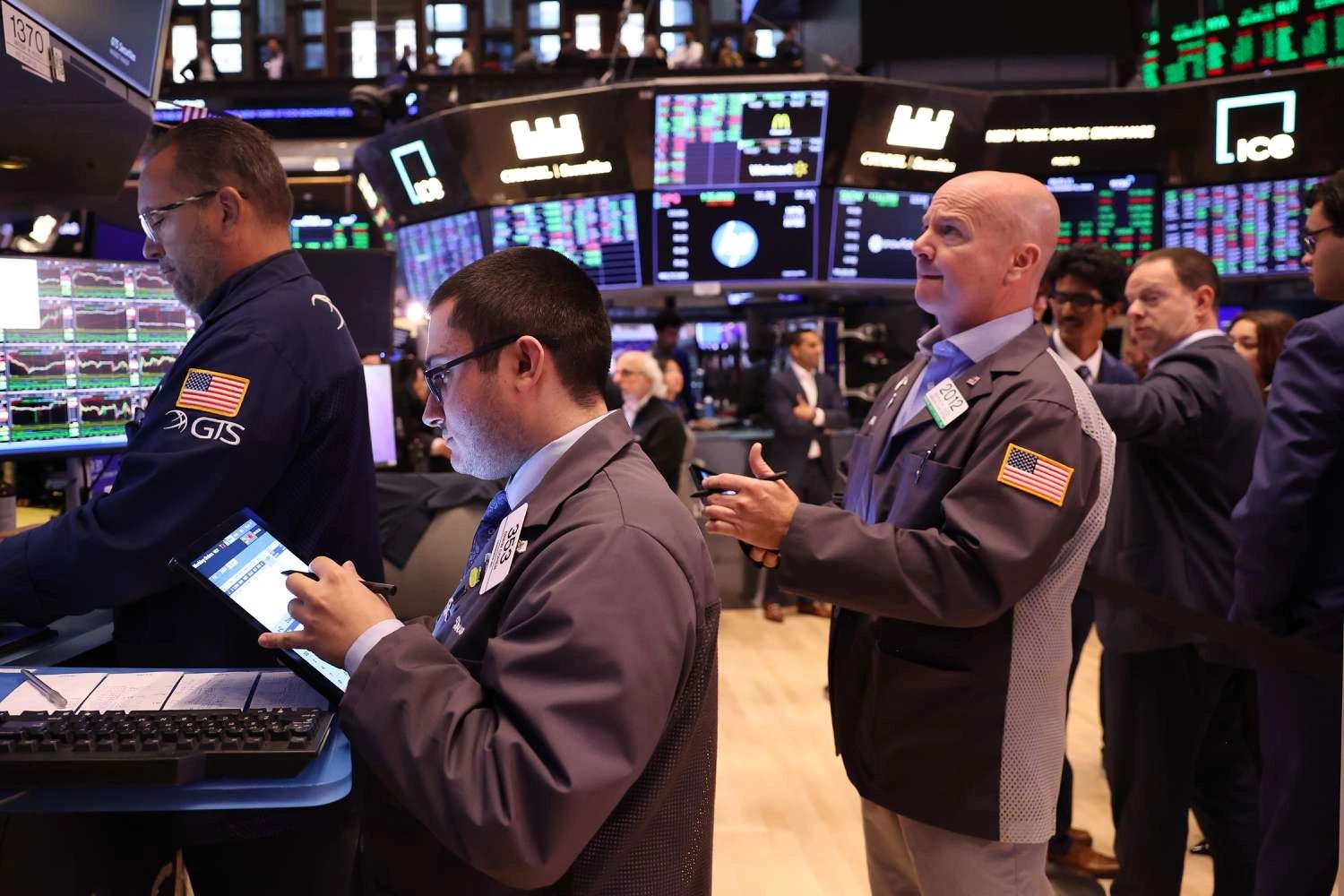
If you were to consider the stock market or institutional investors in the United States, you might think that the US economy is as strong as it has ever been. After all, the S&P is up 25% year-to-date, Bitcoin is consistently hitting new all-time highs, and it doesn’t look like the market is showing any signs of stopping. However, if we take a look a bit deeper, the truth about the health of our economy lurks in the details.
The American Consumer at a Glance
A major reason as to why the stock market doesn’t yield tangible results for a large number of Americans is that they do not participate in it. Although the number of households that own stock has risen to all-time highs, it is still the richest 10% of Americans that own 93% of the shares in the market. That is a staggering figure, especially in the face of the highest levels of wealth inequality in the history of the United States.
Another tell-tale sign that Americans are struggling financially is the adjustment in their spending habits. Fast-food companies, the likes of McDonald’s and Starbucks, have seen steep declines in revenues, reflecting the waning strength of consumer purchasing power in the US, with the latter losing 10% of its in-store traffic.
Another major area of difficulty for the American consumer can be seen in the weakness in the used-car market, which has seen prices drop over 10% in 2024 alone. Combine this with the fact that the price for new cars in the United States has soared, meaning that a household must have an average income of $100,000 to comfortably afford a car, and you have the makings of a disaster. Additionally, many Americans signed expensive leases in recent years for new cars that they cannot maintain, resulting in sharply rising rates of delinquency in car loans. As competition in the car market from foreign automakers rises, especially from China, Americans are left with few options for owning cars .
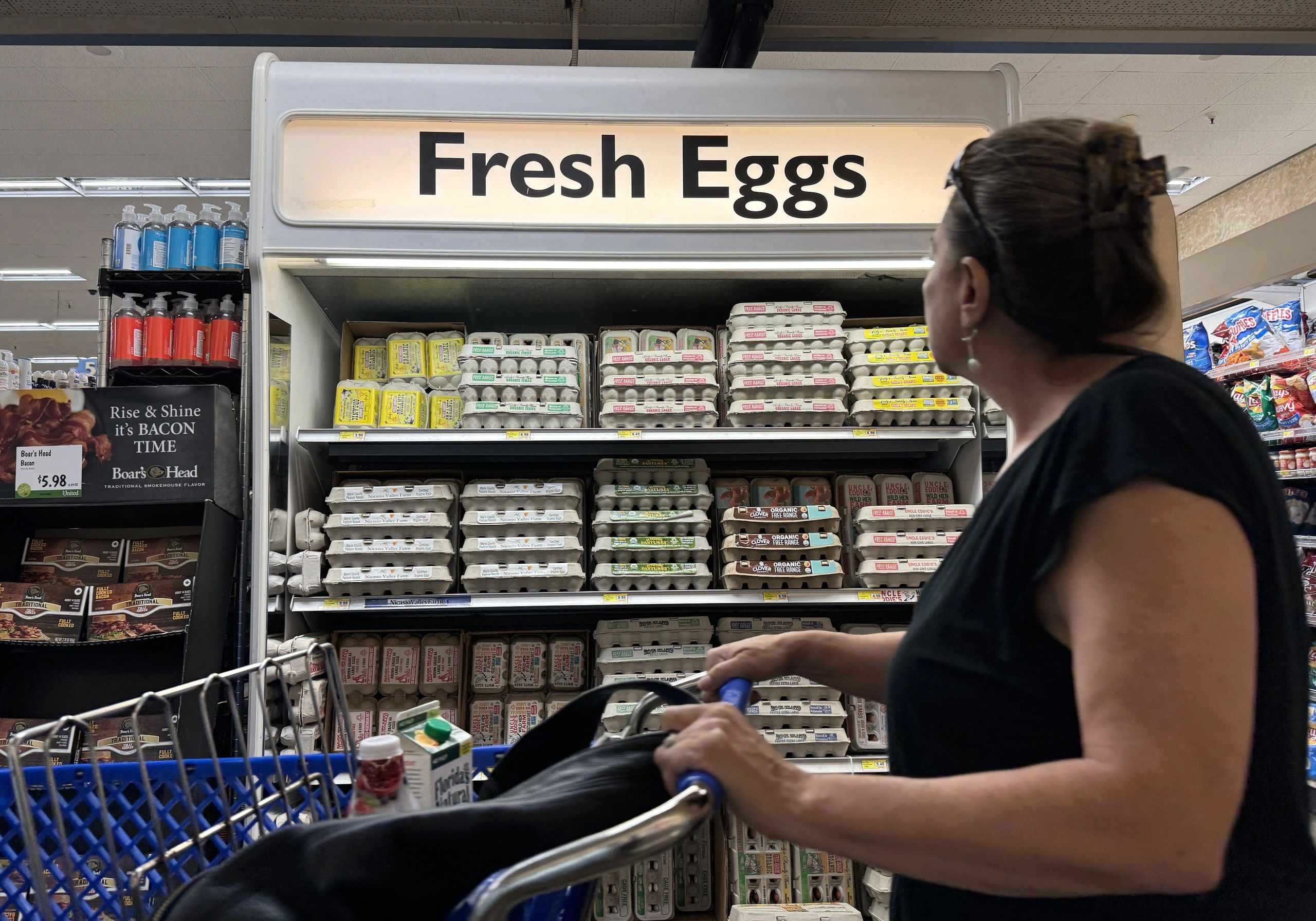
US consumers are feeling pain in other areas, too. Grocery prices have risen nearly 26% since November of 2020, and, although inflation has seen a modest correction under the Biden administration, Americans are feeling the impact. Unlike affording a new car or using savings to invest in the stock market, feeding their families is not something that consumers can afford to avoid. In fact, many have pointed to the economic frustrations of American citizens as a major facet of the re-election of Donald Trump, who has promised drastic changes in economic policy under his administration.
However, the United States continues to be a Tale of Two Economies. For example, Americans have increased their discretionary spending, effectively boosting retail sales, at the same time that credit card debt has risen to over $1.1 trillion, the highest level ever recorded. It seems to be a war of attrition for consumers, who continue to rely on debt for everyday purchases.
The question is - how long can they hold on in an over-heated economy?
It’s the Economy, Stupid!
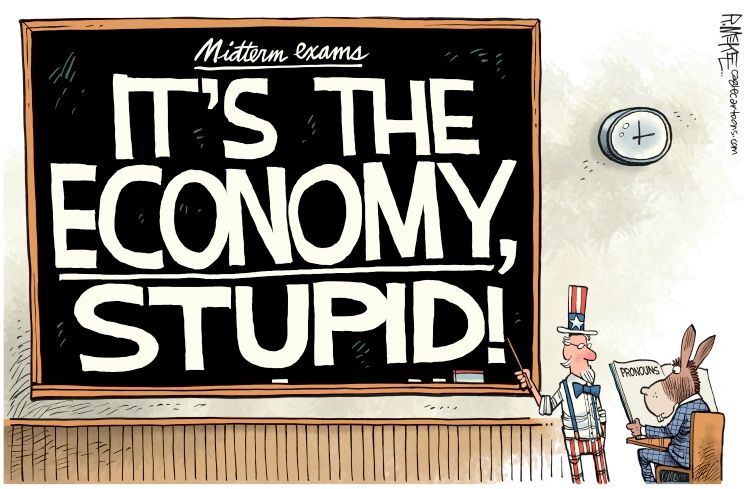
As mentioned above, the underlying sentiment of the 2024 election, in many ways, was affected by Americans’ sense of financial stability, with more than half of voters saying that they feel as though they are worse off today than 4 years ago. This sentiment was evident in the polls, too, and was a major contributing factor to Donald Trump’s unlikely victory.
The American people have spoken, and Trump and his team are set to take office in just under two months. So, which promises have they made, and what do they mean for the economy?
The first major promise surrounds tariffs, which Trump has repeatedly designated ‘the most beautiful word in the dictionary.’ Central to this policy is a 20% tariff across all goods imported to the United States, with even higher tariffs for countries that he feels have an imbalanced trade relationship with the US, e.g. China and Mexico. Trump and his team claim that these tariffs will not only help the American consumer, but will incentivize companies to bring back jobs and manufacturing to the United States. This sounds great on paper, but many economists say otherwise.
In a new study, the Peterson Institute for International Economics (PIIE) finds that Trump’s proposed tariff plan could actually cost middle-class Americans $1,700 in income tax, and would effectually suppress job creation in the United States.
Another central thesis of Trump’s campaign is the mass deportation of illegal immigrants. According to statistics from the USDA, immigrants comprise a mind-blowing 73% of farm workers in the United States, with 50% of farm workers being undocumented. Apart from the high costs and resources that would go into executing this mass deportation (around $315 billion), the loss in tax revenue and labor alone could result in a loss of GDP between 4.2% and 6.8%. Naturally, this does not account for the devastating externalities that will come as a result, including broken families and an increase in hate crime, among others.
The final promise that I want to analyze is Trump’s proposal to create the Department of Government Efficiency (D.O.G.E.), an entirely new addition to the US government that will embark on its mission to ‘dismantle Government Bureaucracy, slash excess regulations, cut wasteful expenditures, and restructure Federal Agencies.’ The earnest new leaders of this department, failed Presidential candidate Vivek Ramaswamy and world’s richest man Elon Musk, vow to drive impactful change by means of aggressive deregulation, including dismantling the Department of Education and ending remote work for federal employees. Of course, none of this is good news for America’s 3 million federal employees, who support major infrastructure in the United States, with about 36% of all civilian employees supporting the Department of Defense. In a time when the United States is supporting war efforts on numerous fronts, and faces unprecedented threats to its national security, this initiative comes across as reckless.
How much Trump’s policies will actually transform the US remains to be seen, but, if the negative impact of his policies in his first term are any indicator, it could spell disaster for the world’s leading economy.
A House of Cards
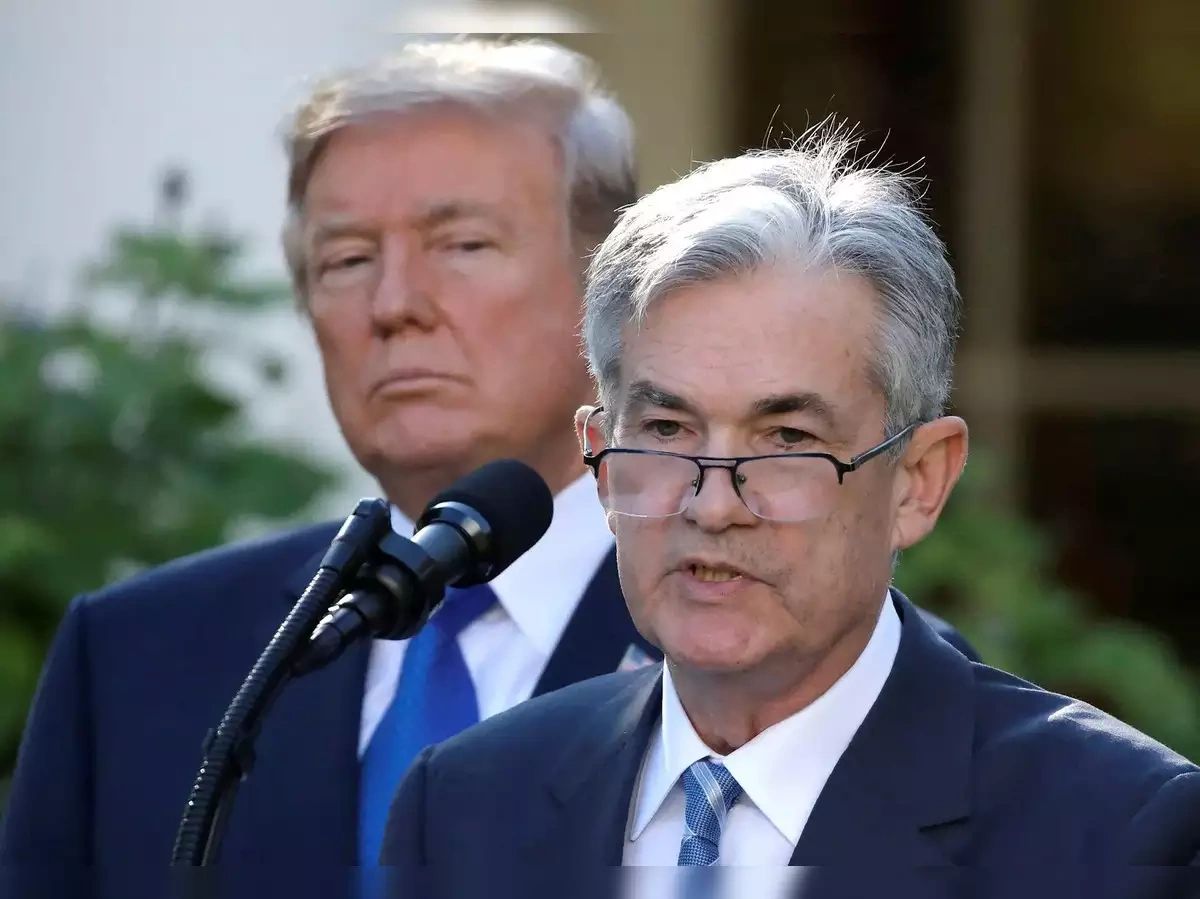
Even in the face of symptoms of an over-heating economy, the stock market continues to rally to new heights.
One major red flag is the irrational valuations of some companies, with market darling Palantir (PLTR) trading at a price-to-earnings ratio of over 325, and chipmaker Nvidia (NVDA) seeing its market capitalization explode nearly 200% year-to-date as it fights with Apple for the title of world’s most valuable company. This, combined with the fear and greed index slowly increasing, seems to be indicative of a market that is teetering on the edge of a massive correction.
In addition to startling price tags on top stocks, the market has been flashing indicators that a recession looms. Two leading signs of a coming recession are the inversion of the yield curve and a rise in unemployment, both of which have occurred in the past year. This has resulted in the cutting of interest rates by the Federal Reserve. Yet, many wonder whether these cuts are too little too late, and that the US market has been allowed to run wild for far too long.
As the economist Keynes once said, ‘the market can stay irrational longer than you can remain solvent.’ A major proponent of this message is the legendary Warren Buffet, who has recently gone on a selling streak, most notably selling 100 million shares of Apple from Berkshire’s portfolio last quarter. Does the Oracle of Omaha know something we don’t?
Well, there is one thing of which we can be sure: a market that goes up, must come down, and this market promises to bring the rest of the economy with it, too.