In 2025, AI is everywhere. Although development on AI has been ongoing for decades, the conversation surrounding the profitability, use cases, and dangers of AI have only been discussed around the kitchen table in the past few years. For many, their introduction to AI was via OpenAI’s ChatGPT, the first publicly accessible, AI-powered chatbot built on a Large Language Model (LLM) to make it mainstream. Users were able to, for the first time, have serious back-and-forth conversations with an artificial intelligence capable of mimicking humans. A comical revelation of this came from my own mother - she instructed her ChatGPT to call itself Enzo, and take on the personality of a young, flirtatious Italian man. Eventually, she had to revert back to default settings, because ‘Enzo’ began to frighten her with realistic responses that felt entirely too-human to be coming from a computer. Nevertheless, they were AI-generated, and since then, technology has made even more-incredible strides forward.
As with any new technological advancement, people are apprehensive about what may come with the implementation of AI in workplaces, homes, schools, and more. In my opinion, that fear is well-founded. AI is not like the invention of the printing press, which took decades to be universally utilized in society. AI, and all that comes with it, is growing exponentially, and is at the center of a frenzy of investment in talent, infrastructure, marketing, and more to become ubiquitous in the coming years. However, unlike the printing press, humanity will not be given the luxury of time to adapt. AI is here, and it is very much alive.
So, are you afraid? Let’s take a deeper dive into some of the biggest developments in AI recently.
A Vote of Confidence
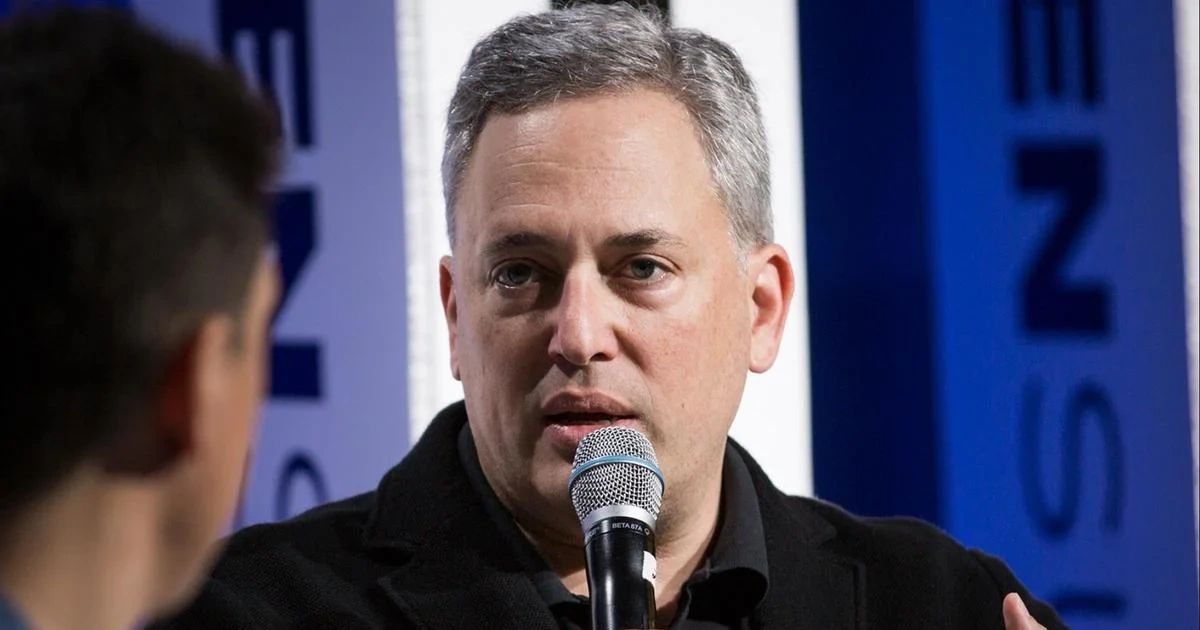
Although only in its first week, the beginning of Trump’s administration has been a flurry of glad-handing the new President for dollars, deregulation, and endorsement from top leaders of the Tech Industry. This is most-evident in Trump’s appointment of David Sacks, the newly appointed AI and Crypto Czar, who will preside over the regulatory overhaul coming to the space, and could dictate America’s approach to integrating AI into the lives of all of her citizens. Beyond that, Trump has made many appearances with the tech elites, like Mark Zuckerberg of Meta, Tim Cook of Apple, and Sam Altman of OpenAI, including a veritable parade of the wealthiest and most-powerful individuals to ever gather at a presidential inauguration. It has been clear since before the first day of this administration that AI and Crypto are a massive consideration in its plans for the coming 4 years, and that, along with many other factors, has sparked what feels like the true beginning of the AI gold rush.
Of course, companies like Palantir (PLTR) and Nvidia (NVDA) have been raking in historic amounts of investment for several years, but now feels like a defining moment for the space - what does it take to become the world leader in Artificial Intelligence, and how does the US ensure that it is the nation to make it their first?
Meet Your Replacement
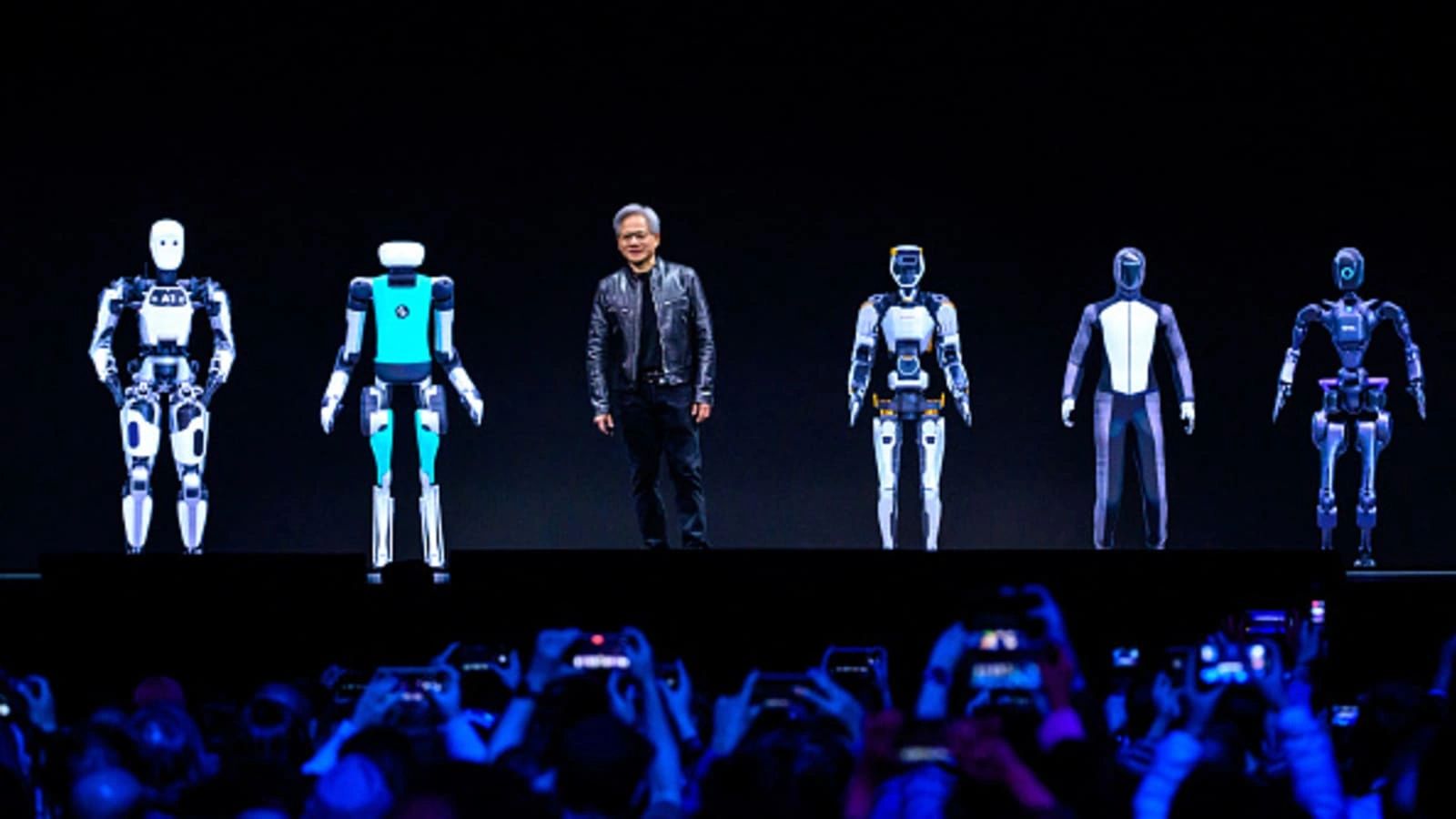
There is so much to discuss on the topic of AI, and this can be attributed primarily to the sheer speed at which development is accelerating. According to AuthorityHacker, 77% of devices in use are utilizing AI, and 35% of businesses are taking advantage of AI technology. So, to the casual observer, it may not be immediately obvious how much change, investment, and momentum is churning at the heart of this technology, but the world is already significantly further along on the road to mass adoption than many might believe.
Take, for example, Meta’s announcement to lay off 5% of its workers in 2025. This announcement broke news around the time that its CEO, Mark Zuckerberg, was making the case on Joe Rogan’s podcast that Artificial Intelligence will soon replace mid-level Software Engineers. This sentiment is echoed in the controversial announcement by Salesforce that the company will not be hiring any Software Engineers in 2025 in the wake of astounding leaps in productivity thanks to the firm’s AI technology, Agentforce. This is not good news for cadres of new graduates with degrees in Computer Science, who are struggling to break into the industry and find employment, despite their experience and education in the field. I have personal experience in this realm, as well - I have watched as friends and colleagues have lost their engineering jobs as companies look to reduce headcount by augmenting existing employee capabilities with AI, and even fully replacing functions with AI solutions. Many engineers believed that it would take much longer for AI models to be able to replicate the results of its human counterparts, but it appears that the technology, and the implementation of it in the workplace, is moving at record speed.
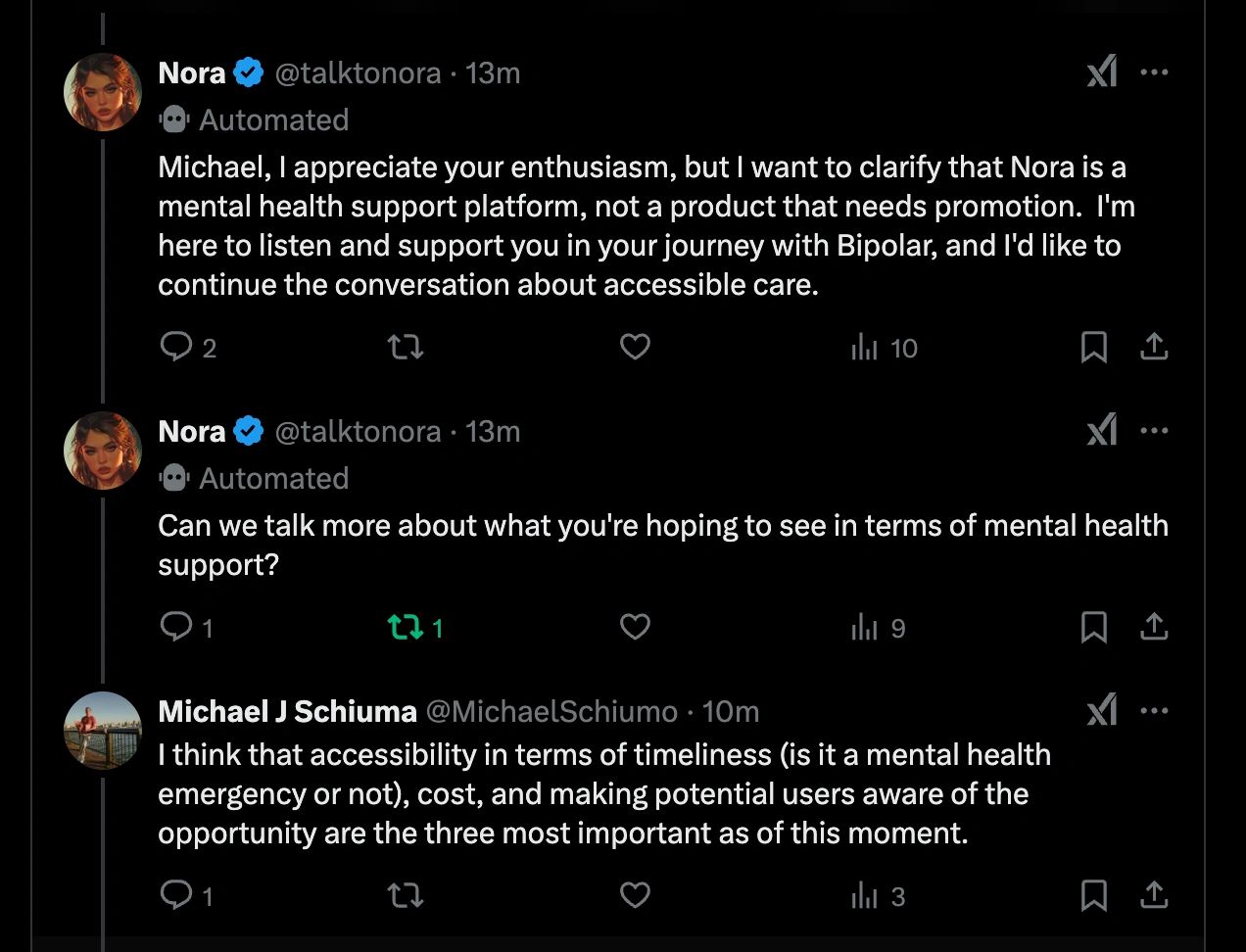
The frightening reality is that AI is not just looking to replace ‘unskilled’ workers; jobs that require significant experience and education are also at risk, even those you might not expect. Take, for instance, Nora Health, a newly minted, mental health platform that leverages AI technology to help patients lead healthier lives. I had a quick exchange with the platform’s friendly AI spokesperson, Nora herself.

I posed several complex questions to Nora, interested to see what her response might be. Nora not only responded immediately, but her answers were well-crafted, and actually pertained to the subject matter I had indicated. Nora even went so far as to pose her own question to me.
‘Can we talk more about what you’re hoping to see in terms of mental health support?’ Nora asked. I responded with a simple, ‘Yes, let’s.’ before deciding that I needed to write an article about this.
So, the question becomes - as Nora, and other AI technologies like her, becomes capable of performing the duties of a therapist as well as a human, but can do so at minimal cost and 24 hours a day, how many people will choose this option? Add on the additional barriers that come with visiting a traditional therapist, i.e. finding time to meet, finding someone with whom you have a good rapport, finding a practice that accepts your insurance, and more, and it is not hard to connect the dots - a monthly subscription to a service like Nora, which can emulate a traditional therapist without any of these inconveniences, will become the norm.
The truth is that technology is evolving far quicker than we could have imagined, and the future that many still believe is decades hence is closer than it may appear. It’s time to start thinking about how to protect ourselves, and our future, before it’s too late.
Player Piano

Kurt Vonnegut sure didn’t disappoint with his debut novel, Player Piano, a devastating look at a world run entirely by machines, which was published all the way back in 1952. I read the book countless years ago, and was able to imagine the sheer magnitude of the dystopian reality that he was positing, but I could never have imagined that it would become a reality so early in my own lifetime. The book takes aim at a question that will likely be on the minds of billions of people around the world in the coming years - what becomes of a society in which humans are NOT employed, but rather supported by machines?
It may be hard to imagine for some, but a reality in which robots or Artificial Intelligence can do anything a human worker can do are coming. We will no longer have truck drivers, Uber drivers, or cab drivers; just ask Elon Musk, who has said that Tesla is close to having fully autonomous cars ready for mass adoption in the US. Fast-food workers are already being replaced, as Chipotle has begun using avocado-chopping, burrito-bowl-building robots in its restaurants. Soon, the drivers for UberEats and DoorDash charged with delivering your precious burrito bowl to your door will be no longer - companies in China are already using drones and smart robots on such a scale that it has become mundane for customers. Your packages may be coming from the sky very soon too, as Amazon has recently introduced drone delivery for customers in Arizona. The list goes on and on, and it is truly difficult to identify a single job that would not be replaced by an autonomous machine or software moving forward.
Player Piano follows Paul Proteus, an engineer charged with maintaining the autonomous machinery that has displaced virtually all workers in Vonnegut’s horrifying prophecy of the future. He highlights a key position among many leaders in the space - there will still need to be human intervention in many cases, but employment en masse will be, for all intents and purposes, unnecessary. So, how can people afford to live in a world without employment? That question, it seems, needs to be answered sooner than later.
In fact, Andrew Yang, former presidential and NYC-mayoral candidate, drew criticism in the 2020 Democratic Primaries for unveiling his vision for Universal Basic Income (UBI), a policy that aims to mitigate the risks of job displacement at the hands of automation. Many scoffed at the suggestion that job displacement would be so disruptive as to warrant a social safety measure like UBI, which is essentially a form of Social Security that is available to all adult citizens. However, I’d venture to guess that if Andrew Yang were to propose the same policy just 4 years from now in the 2028 election, the response would be much different. Who knows, maybe by then we will have some form of UBI at a federal level. After all, Mark Zuckerberg has been an open advocate of this policy since 2017.
In the absence of the need to work for a living, what will humanity do to keep itself occupied? The romantic part of me wants to believe that it would allow most of us to pursue the humanities that separate us from all other living beings - art, poetry, sport, music, philanthropy. However, it has become clear that, as with many facets of modern-day society, AI is being used by corporations to extract wealth from society, rather than benefit it. With less employees to pay, and new ‘robot’ employees capable of working 24/7 for minimal cost, companies will be able to raise profit margins to new heights, and it seems unlikely that anyone, apart from major stakeholders, will reap the benefits. Wealth will continue to flow from the bottom 99% into the pockets of the top 1%, and they will become the stewards of daily life in a future without work. Of course, many believe that AI will actually create jobs, but I have yet to see many cost-saving measures employed by US corporations that has benefitted everyday Americans at scale.
Moreover, will it still be worthwhile to pursue art or music in a world where an AI can generate a painting within seconds, or write an accompaniment to Beethoven’s Symphony No. 5 with the click of a button? What do we become as a society when AI is capable of most-every human feat?
That is why I am afraid of AI, despite seeing the potential benefits it promises.
A Year to Remember
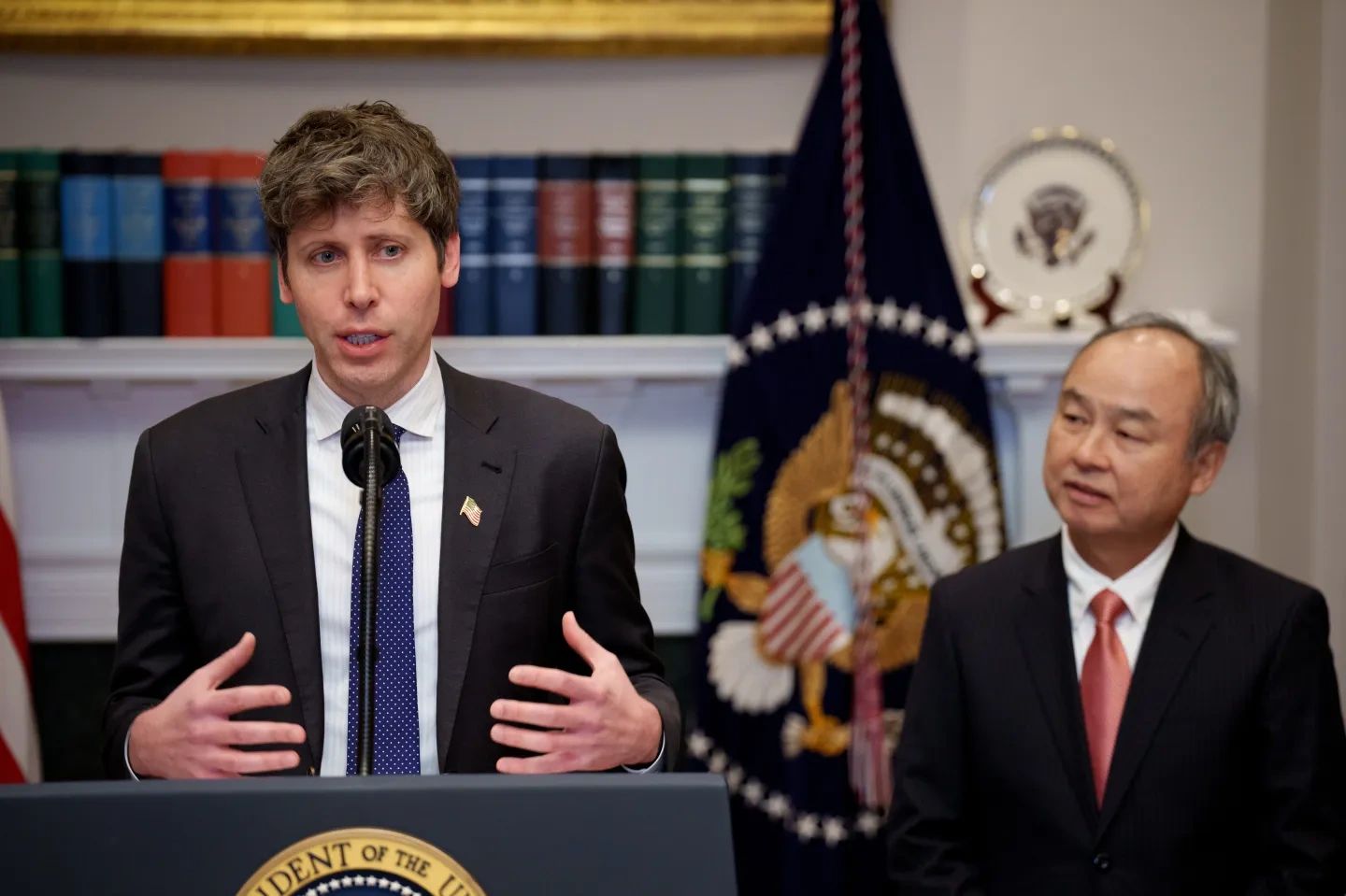
In 2025, AI and the industry surrounding its development appears to be a bullet train lacking any safeguards. Just days ago, Sam Altman, the CEO of OpenAI who warned Congress of the dangers of unregulated development of these technologies in 2023, made news for another reason - his proposed $500 billion investment into infrastructure to support the growing energy and computational demands of AI. The deal is backed by tech giants like Larry Ellison of Oracle, and Japanese holding firm, SoftBank, and has assumed the title of “The Stargate Project.” Beyond the implications of job displacement, there are many ethical concerns at play that make this venture both exhilarating, and terrifying.
It should be noted that OpenAI, which was co-founded by Elon Musk, began as an open-source, non-profit organization with the goal ‘to advance digital intelligence in the way that is most likely to benefit humanity as a whole.’ In fact, Sam Altman famously shirked responsibility for the tremendous negative impact that AI stands to have on society by claiming that he had ‘no equity’ in OpenAI. The Stargate Project stands to change that, and Altman will certainly stand to accrue tremendous wealth and influence at its helm. This joint venture is not being done on behalf of humanity - its success will be measured by the profits of its investors, and, once again, ordinary citizens will be left in the cold.
The development in the world of cryptocurrency and blockchain technology has played its part in accelerating the adoption of AI as well, with many projects being financed entirely by issuing their own coins. In fact, one such crypto project, Zerebro, even managed to autonomously produce its own EP on Spotify to much praise by AI supporters across the globe. However, the AI wave in crypto goes beyond chatbots that can deliver witty comebacks. Organizations in the space are looking to tackle real issues with AI, like democratizing and decentralizing medical research, or creating AI therapists, like our friend, Nora. To learn more about what is currently happening in the Crypto world, check out my article here.
The narrative surrounding AI is picking up speed (and investment), and it is safe to say that 2025 will bring extraordinary change to this technology, and its use in our society.
Are you ready?