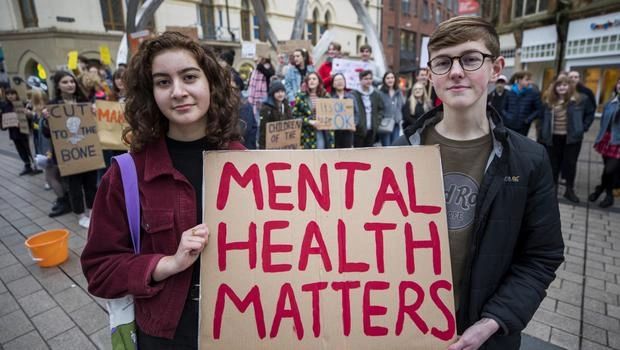
There is no question that Mental Health has become a core issue and topic of discussion not only in the United States, but around the world. As people have increasingly opened up about their stories, it has come as a shock to many (including myself) just how many people are truly suffering from mental illness, as well as the lacking infrastructure within the healthcare system needed to affect change for millions of Americans.
As someone who has undergone recovery through this system (read more here), I understand the profound impact that mental health crises have on individuals, families, and the wider community. Not only is mental illness a massive contributing factor to the rampant issue of homelessness in the United States, which is close to breaching 1 million in population, it also has a profound impact on members of society whom you might not suspect of struggling with this disease.
Something that is often not discussed are the legal repercussions of being subject to the healthcare system for people struggling from mental illness, namely being admitted to a psychiatric hospital. Unfortunately, before a diagnosis, it is quite common that uncontrolled mental illness leads to being admitted, or even committed, to a psychiatric unit in order for the person to stabilize when they are a present danger to themselves or others. I personally experienced this, having spent about 3 months in 3 different psych wards, during which I lost my job, and my family struggled to navigate this dangerous new phase of my life. I was fortunate to have the resources to deal with this situation, but many are not.
For those suffering from psychosis, delusions, hallucinations, rage, and more, it is often unsafe to continue life in the outside world. However, due to the fallout that often follows one of these episodes, which sometimes are accompanied by legal transgressions, people often find themselves trapped in the system, returning to the psychiatric ward repeatedly.
Even more troubling is the reality for family members looking to keep their loved one safe, and ensure that they are on the path to recovery. Due to privacy laws, such as HIPAA, parents often find themselves powerless to intervene, or even communicate with, their own children. Moreover, if the person suffering has received treatment via therapists or psychiatrists, patient confidentiality makes it nearly impossible to gain insight into the true nature of the situation.
In my case, my hospitalization was the result of many months of dangerous behavior, which caused me to max out credit cards, alienate myself from family and friends, lose my employment, and engage in reckless acts out of character for myself. Due to the fact that I hadn’t been officially diagnosed with Bipolar I Disorder, my family was left without the knowledge and resources to see the signs in advance, and, by the time the situation had spiraled out of control, I was admitted to the psychiatric ward against my will.
Although I was fortunate to have undergone treatment in New Jersey, one of the states with the best funding for mental healthcare, I noticed the gaps in the system. A shortage of psychiatrists, social workers, and others operating in the healthcare system led to rampant understaffing, as well as a reduced capacity to provide outstanding care to an oversized population. Additionally, even after spending months on end in the psychiatric unit, I still required further care once released, which was comprised of finding new care providers, a state-mandated recovery program, an outpatient treatment program, and constant oversight by social workers and others supporting my recovery. This demonstrates just how much goes into caring for a single individual struggling from this disease, and, yet, mental health funding has been consistently cut in recent years.
Another reality I faced once progressing through treatment was reintegration into society, especially finding new employment. This entailed enrolling in further education, which was quite expensive, as well as arduous. However, as I stated above, I was fortunate to have the time, financial resources, and support system to pursue this avenue, an advantage and privilege not afforded to many others. In too many cases, this leads to further financial strain, regression, and readmission into the psychiatric ward - and, so, the cycle repeats.
If we are to win the war against mental illness in this country, we need better funding, as well as a concerted effort to educate and empower people working in this system. With social workers grappling with high costs of masters degrees, continuing education, and thousands of mandatory training hours, the path to working in this field is clearly difficult, if not altogether impossible for some. The refusal of insurance companies to cover certain aspects of recovery, including medication, alternate forms of treatment, and access to mental health therapy further exacerbates the situation, and often makes these forms of assistance inaccessible. Finally, we need to understand just how deeply these diseases can affect people, and be more accepting and understanding of the repercussions in order to establish programs to quickly and easily find help, including in the workplace.
Although I would never wish someone else to experience what I have in regards to mental healthcare in the United States, I do encourage everyone to be informed. Understanding the legal system, including things like Advanced Directives and HIPAA bylaws, recognizing the early symptoms and warning signs, and being aware of programs designed to prevent the more-troubling outcomes of unresolved mental illness are some of the best defenses we have. I hope that sharing my story demonstrates that overcoming these obstacles is not only possible, but can lead to a fruitful and rewarding future.
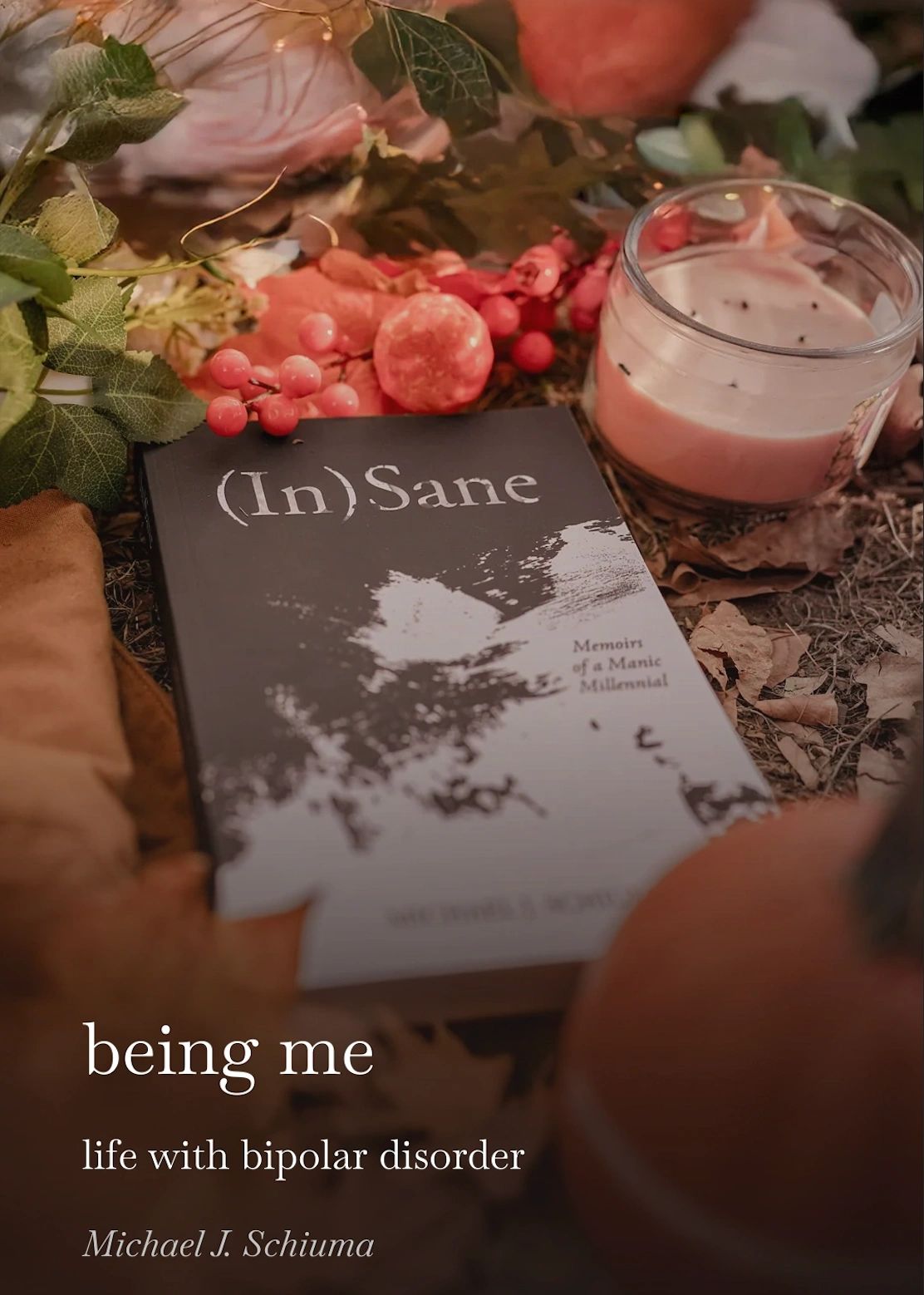
As always, I am happy to answer any questions on the topic. Feel free to email me at michaelschiuma@gmail.com, or reach out on any of my other platforms. I also encourage anyone interested in learning more to read my memoir, (In)Sane, available on Amazon and Kindle.
Keep trucking!