Before my official diagnosis with Bipolar, I wasn’t cognizant of how my moods tended to shift. However, the pattern became more-apparent in my early twenties, when I first experienced identifiable periods of hypomania, followed by extreme swings between mania and depression. The cycles of my moods seemed to sync with the change of the seasons - Fall and Winter were marked by low moods, and Spring and Summer signified a sharp shift towards mania, and the euphoria and impulsiveness that follows.
Let’s take a closer look at how those diagnosed with Bipolar experience these shifts, and how to prepare for them.
A Pronounced Sensitivity

It is no secret that humans and their emotions change with the seasons, and so-called ‘seasonal depression’ is a common trope in our society. However, the danger of Bipolar Disorder is that it amplifies these shifts in both directions, and patients often have difficulty curtailing the effects on each side of the spectrum due to a pronounced sensitivity to this phenomenon.
Even after years of properly managing my Bipolar with medication, therapy, and lifestyle adjustments, I still feel a sense of trepidation when the seasons begin to change. For instance, during the beginning of Spring to early Summer, I feel a shift in my mood, almost as though a burden has been lifted, and the familiar signs of hypomania return. Euphoric feelings, impulsiveness, a reduced need for sleep, and a general lift in spirit accompany the arrival of Summer.
Of course, some of this can be attributed to common remedies for mental illness - more exposure to sunlight, more opportunities to socialize, and the chance to be active and enjoy warmer weather. However, in my experience, these shifts can often be a cause for concern, as they are closely linked to how I feel during periods of hypomania. In fact, it has often caused a great deal of anxiety, and I tend to be more-reliant on therapy during these times, and watch carefully for these shifts before they spin out of control.
Another interesting facet is closely linked to medication. As I discuss in my memoir, (In)Sane, a key component of managing my Bipolar is maintaining consistent levels of Lithium in my bloodstream, one of the most-trusted treatments for stabilizing moods. Due to the potential negative effects of higher concentrations of Lithium, as well as its ineffectiveness in low levels, I have my blood drawn every few months to ensure that I am within range. Last summer, my psychiatrist and I noticed an interesting development - despite taking the same dosage of Lithium consistently, my levels dropped significantly in the Summer, coinciding with the positive shift in my mood. This is certainly something to monitor, as a descent into mania is often precipitous, and difficult to reign in once it begins.
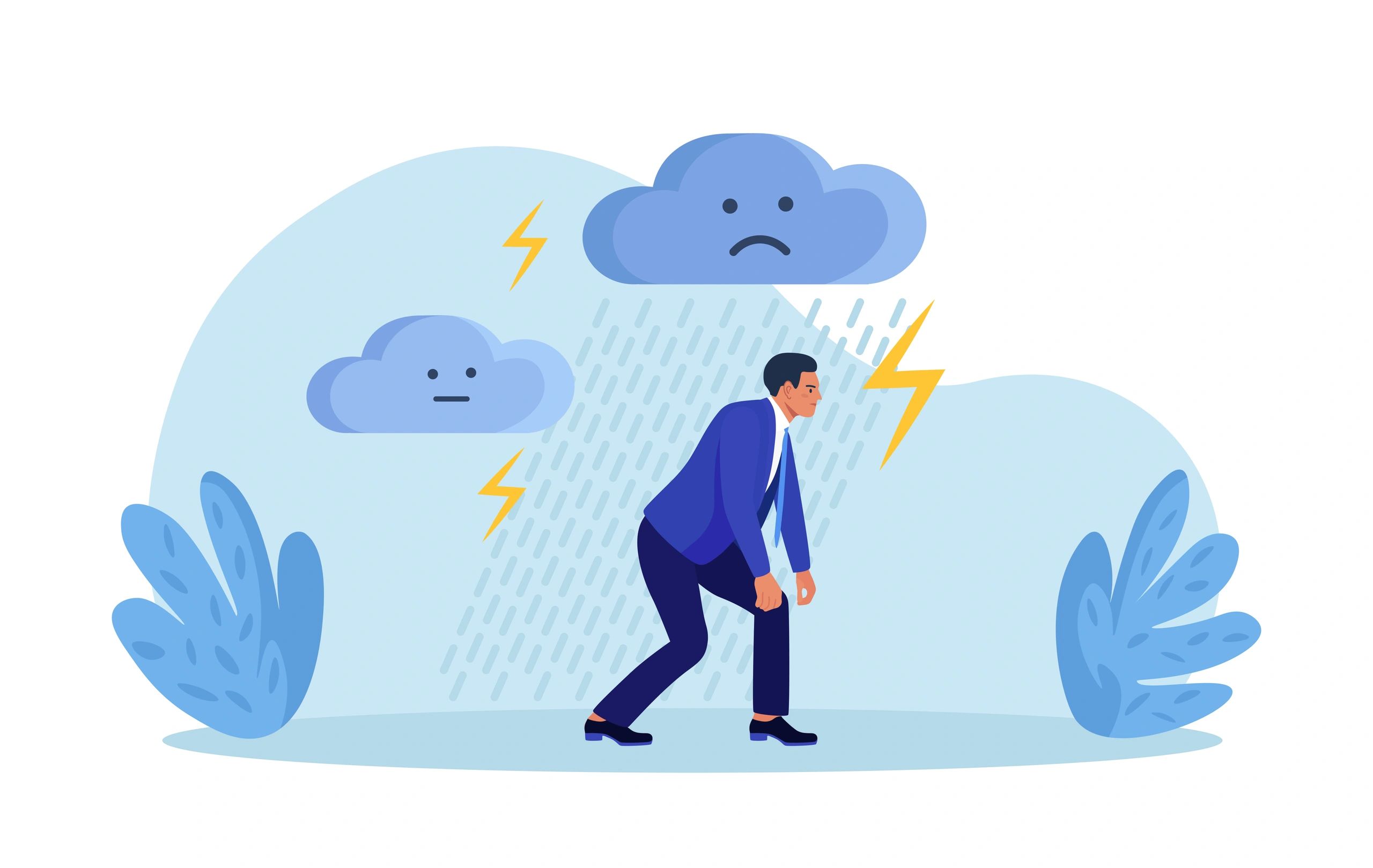
As Summer melts away, and colder weather and shorter days approach, I feel my positive state of mind slowly disappear. In the Fall and Winter, I tend to spend more time indoors, and some of my favorite activities, like playing soccer and hiking, are no longer possible. Therefore, I feel the familiar effects of my depressive moods, including a lack of motivation, a general heaviness, and pervasive negative self-talk. My desire to be outgoing drops significantly, and my discipline in maintaining positive habits is sharply reduced.
I have come to terms with these shifts, and have learned to manage my expectations during them. Let’s discuss some techniques for navigating these changes.
Rough Waters and Smooth Sailing

As human beings, it is not possible to always feel good and be positive. We have to accept that there will always be good days and bad days, and that life has a proclivity to challenge us to overcome these obstacles. All that we can do is understand this reality, and ensure that we are prepared for the rough waters, and ready to enjoy the smooth sailing.
On a more-practical note, being prepared for these shifts is important for those with mood disorders, including Bipolar Disorder. One method that I have found useful is to communicate these swings in my moods with my various healthcare providers, most prominently my therapist and psychiatrist. By doing so, they can provide additional methods and strategies for managing these difficult times.
Furthermore, one of the most-crucial things to remember is that getting out of the house is one of the best ways to mitigate symptoms. Make plans with friends, try some new hobbies, and be active when negative moods come! Likewise, when you feel lighter, take advantage of the increase in energy and desire to be active, and develop positive habits that solidify discipline that can then be employed during difficult times. Although I have often been resistant to leaving the house when I don’t feel well, it has proven to be one of the best means of lightening my mood.
As my grandfather used to say to me, ‘keep trucking.’ In other words, keep moving forward, and maintain your momentum. Life will often try to impede your progress, but if you’ve made it this far, just know that you have a 100% success rate in conquering it.