Follow me on Twitter for more content surrounding mental health
In the raging battle against mental-health issues, such as depression, anxiety, PTSD, and eating disorders, patients and practitioners alike are perpetually in pursuit of effective and holistic means of treatment. Since the recognition of mental illness in the United States in 1946, treatment has evolved significantly. However, there is, undoubtedly, an over-reliance on medications as a primary form of grappling with these issues. Research denotes that this traditional, pharmacological approach is insufficient in 40 to 60% of cases.
With funding for research on mental health on the rise, new discoveries are being made on a daily basis as scientists continue to learn more about one of the most-mystifying parts of the human body — the brain. For instance, as marijuana legalization continues to broaden domestically and abroad, some patients have begun to use its constituents, namely THC and CBD, as a means of mitigating symptoms of mental illness. However, due to the nascence of clinical trials in this sphere, it is difficult to state unequivocally that marijuana is an efficacious form of treatment for those suffering from complications of mental illness.
Learn more about the mental-health crisis in the US here.
Enter psychedelics. Although the use of psychedelics as a treatment for mental health issues is even more-novel than using marijuana, the results are promising. Now, it is common for those with treatment-resistant depression (TRD), comprising 10–20% of those suffering from the illness, to seek other alternatives, including hallucinogenics like ketamine and psilocybin. Let’s dive into why these methods may be both more-effective and healthier long-term than traditional methods of treatment.
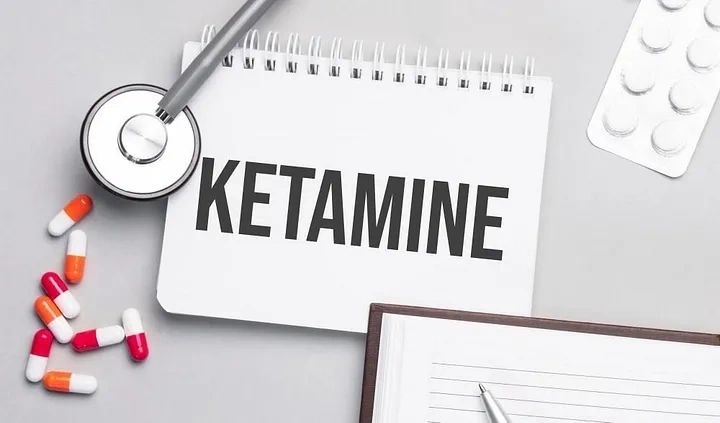
Ketamin and TRD
For those suffering from symptoms of severe mental illness, especially suicidal ideation, ketamine has proven itself as a rapid-acting treatment in recent studies, with results just 25 minutes after administering the drug. Furthermore, the National Library of Medicine states that “Ketamine has a robust and rapid effect on depression, which was seen immediately after the administration of ketamine and sustained at the end of 1 month.” This is promising news for those seeking relief.
As with every mode of treatment, ketamine does have several negative effects that must be considered when deciding on utilizing it as a treatment. First, ketamine is known to have dissociative effects, which may present challenges for patients long-term, including worsening of existing symptoms. Additionally, ketamine does have the propensity to be addictive, an unsavory complication that opens doors to new manifestations of existing mental-health problems.
As prescriptions for ketamine treatment continue to rise, only time (and lots of research) will tell whether this drug will displace traditional medications used for treating mental-health issues. However, the current results seem promising, and this advancement is a reason for hope as we continue to learn new ways to combat these illnesses.
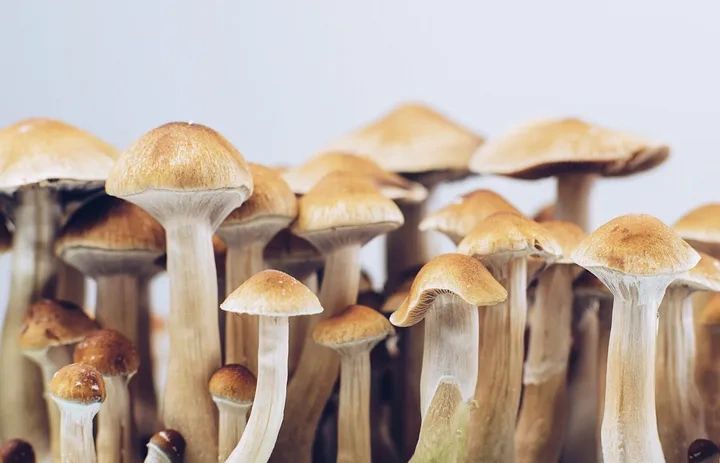
The Magic Within - Psilocybin
Although the legalization and use of psilocybin in medicine lags behind marijuana in the United States, progress is being made, with 2 states (Oregon and Colorado) opening the door for people seeking to use the substance for recreational and medicinal purposes.
Psilocybin is a psychoactive chemical found in what are known as ‘magic mushrooms,’ but can also be produced artificially, which is done in clinical environments. According to new studies, psilocybin is effective in treating mental-health issues due to its ability to generate new neural pathways, effectively rewiring the brain. For illnesses, such as anxiety and depression, in which state of mind and recurring thoughts are such a mainstay, the ability to reset these mechanisms is a promising breakthrough.
As with anything, users should be aware of some of the potential side effects of psilocybin, chief among them being the onset of psychotic episodes. In addition, those who consume psilocybin can also experience severe paranoia, hallucinations, and more.
The optimism surrounding the use of psilocybin as a viable means of treatment for mental-health, substance-abuse, and other disorders is growing each day. In fact, the footwear company Toms recently announced a $100 million investment into research for the effects of psychedelics on mental illness. The future looks just a tad bit more magical.
The Final Word
Although traditional means of treating mental illness aren’t going anywhere anytime soon, the prospect of finding new means to treat patients is inspiring, and will change the face of Western medicine for the better. It should be noted that all of these methods, including the traditional, must be done in conjunction with therapy and medication management in order to be effective.
So, if you suffer from mental illness, rejoice! You may be one ketamine infusion or a handful of ‘magic mushrooms’ away from a major turning point in your journey.